Security Tips Against Adult Fakes: 10 Steps to Protect Your Information
NSFW deepfakes, “AI undress” outputs, alongside clothing removal tools exploit public pictures and weak privacy habits. You have the ability to materially reduce personal risk with a tight set of habits, a prepared response plan, plus ongoing monitoring that catches leaks early.
This manual delivers a actionable 10-step firewall, details the risk landscape around “AI-powered” explicit AI tools plus undress apps, alongside gives you effective ways to secure your profiles, photos, and responses excluding fluff.
Who experiences the highest risk and why?
People with an large public image footprint and routine routines are targeted because their photos are easy when scrape and link to identity. Learners, creators, journalists, hospitality workers, and individuals in a separation or harassment circumstance face elevated risk.
Minors and younger adults are at particular risk as peers share plus tag constantly, plus trolls use “online nude generator” tricks to intimidate. Public-facing roles, online dating profiles, and “digital” community membership create exposure via reshares. Gendered abuse shows many women, such as a girlfriend plus partner of an public person, are targeted in payback or for coercion. The common factor is simple: public photos plus weak privacy equals exposure surface.
How do NSFW deepfakes actually function?
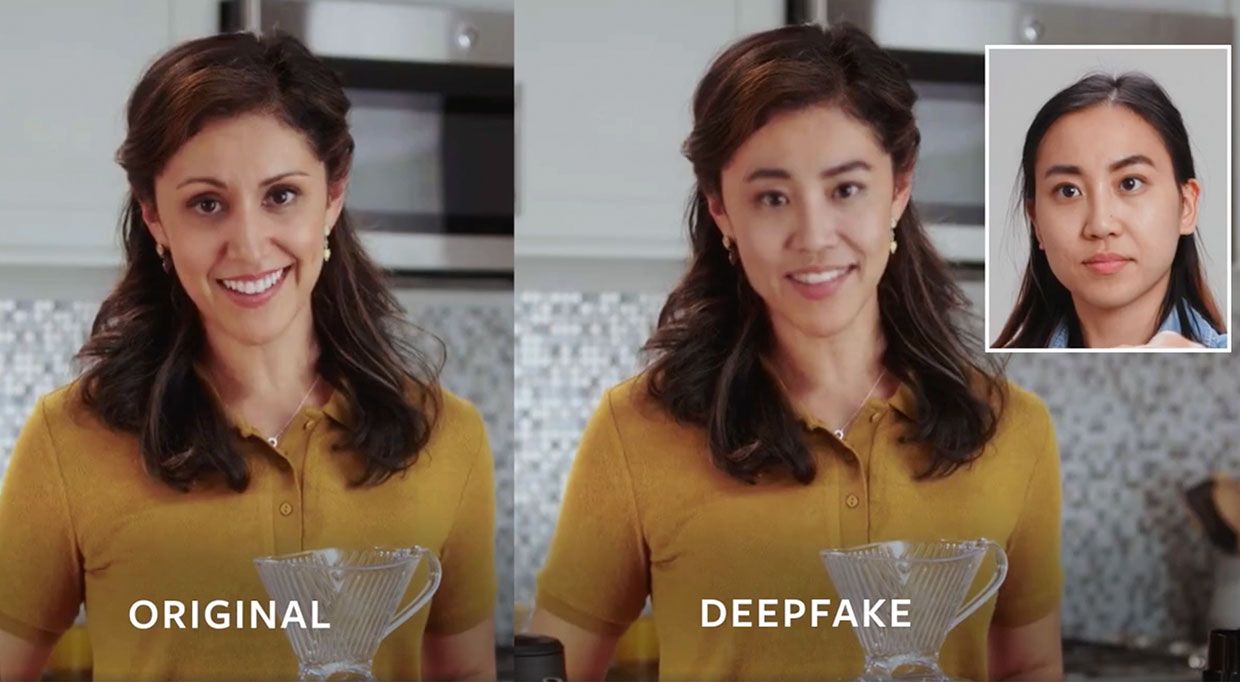
Modern generators use diffusion or neural network models trained using large image datasets to predict realistic anatomy under clothes and synthesize “believable nude” textures. Older projects like Deepnude were crude; current “AI-powered” undress app branding masks one similar pipeline with better pose handling and cleaner results.
These systems do not “reveal” your physical form; they create an convincing fake dependent on your facial features, pose, and brightness. When a “Dress Removal Tool” and “AI undress” Generator is fed your photos, the image can look convincing enough to trick casual viewers. Harassers combine this plus doxxed data, compromised DMs, or reshared images to enhance pressure and distribution. That mix containing believability and sharing speed is why prevention and fast response matter.
The comprehensive privacy firewall
You can’t control every repost, but you are able to shrink your attack surface, add obstacles for scrapers, plus rehearse a fast takedown workflow. Treat the steps following as a tiered connect with porngen-ai.com’s global network defense; each layer buys time and reduces the likelihood your images finish up in any “NSFW Generator.”
The steps build from prevention toward detection to crisis response, and they’re designed to stay realistic—no perfection needed. Work through these steps in order, followed by put calendar notifications on the ongoing ones.
Step 1 — Lock down your picture surface area
Control the raw material attackers can supply into an undress app by curating where your facial features appears and what number of many high-resolution images are public. Begin by switching personal accounts to restricted, pruning public galleries, and removing outdated posts that show full-body poses under consistent lighting.
Ask friends to limit audience settings on tagged photos alongside to remove individual tag when someone request it. Check profile and banner images; these stay usually always visible even on limited accounts, so pick non-face shots and distant angles. Should you host a personal site plus portfolio, lower resolution and add subtle watermarks on photo pages. Every removed or degraded source reduces the quality and believability of a future manipulation.
Step 2 — Render your social connections harder to scrape
Attackers scrape followers, contacts, and relationship status to target you or your group. Hide friend lists and follower counts where possible, alongside disable public access of relationship data.
Turn away public tagging or require tag verification before a post appears on individual profile. Lock down “People You May Know” and connection syncing across communication apps to prevent unintended network access. Keep private messages restricted to trusted users, and avoid “public DMs” unless you run a distinct work profile. If you must maintain a public account, separate it from a private profile and use varied photos and identifiers to reduce cross-linking.
Step 3 — Remove metadata and poison crawlers
Strip EXIF (geographic, device ID) from images before sharing to make targeting and stalking harder. Many platforms eliminate EXIF on posting, but not all messaging apps alongside cloud drives do, so sanitize prior to sending.
Disable device geotagging and real-time photo features, that can leak GPS data. If you manage a personal blog, add a robots.txt and noindex labels to galleries for reduce bulk scraping. Consider adversarial “image cloaks” that insert subtle perturbations designed to confuse face-recognition systems without visibly changing the picture; they are not perfect, but these methods add friction. For minors’ photos, cut faces, blur details, or use overlays—no exceptions.
Step 4 — Harden your inboxes and DMs
Many harassment attacks start by baiting you into sending fresh photos or clicking “verification” URLs. Lock your profiles with strong credentials and app-based two-factor authentication, disable read confirmations, and turn down message request glimpses so you don’t get baited with shock images.
Treat all request for selfies as a phishing attempt, even by accounts that look familiar. Do absolutely not share ephemeral “intimate” images with strangers; screenshots and backup captures are trivial. If an suspicious contact claims to have a “nude” or “NSFW” image of you generated by an artificial intelligence undress tool, do not negotiate—preserve evidence and move into your playbook during Step 7. Maintain a separate, protected email for restoration and reporting for avoid doxxing spread.
Step 5 — Watermark alongside sign your images
Visible or partially transparent watermarks deter simple re-use and enable you prove origin. For creator and professional accounts, include C2PA Content Verification (provenance metadata) on originals so platforms and investigators can verify your posts later.
Maintain original files and hashes in any safe archive therefore you can show what you performed and didn’t share. Use consistent border marks or minor canary text to makes cropping clear if someone seeks to remove it. These techniques cannot stop a committed adversary, but these methods improve takedown results and shorten conflicts with platforms.
Step 6 — Monitor your name and image proactively
Early detection shrinks circulation. Create alerts concerning your name, username, and common variations, and periodically run reverse image queries on your frequently used profile photos.
Search sites and forums at which adult AI applications and “online adult generator” links circulate, but avoid engaging; you only want enough to report. Consider a budget monitoring service or community watch organization that flags redistributions to you. Keep a simple record for sightings with URLs, timestamps, plus screenshots; you’ll use it for multiple takedowns. Set one recurring monthly reminder to review protection settings and redo these checks.
Step 7 — Why should you act in the opening 24 hours after a leak?
Move fast: capture evidence, file platform reports via the correct rule category, and direct the narrative via trusted contacts. Don’t argue with harassers or demand deletions one-on-one; work using formal channels that can remove material and penalize users.
Take full-page screenshots, copy URLs, and save post numbers and usernames. Send reports under “involuntary intimate imagery” and “synthetic/altered sexual content” so you reach the right enforcement queue. Ask any trusted friend for help triage while you preserve mental bandwidth. Rotate login passwords, review connected apps, and strengthen privacy in if your DMs plus cloud were furthermore targeted. If underage individuals are involved, contact your local cybercrime unit immediately plus addition to service reports.
Step 8 — Documentation, escalate, and submit legally
Document everything in a dedicated folder thus you can advance cleanly. In multiple jurisdictions you can send copyright plus privacy takedown requests because most artificial nudes are derivative works of personal original images, plus many platforms accept such notices even for manipulated media.
Where appropriate, use GDPR/CCPA mechanisms to request removal of data, including scraped pictures and profiles constructed on them. File police reports when there’s extortion, stalking, or minors; one case number often accelerates platform actions. Schools and employers typically have conduct policies covering AI-generated harassment—escalate through those channels if applicable. If you can, consult a cyber rights clinic and local legal aid for tailored advice.
Step 9 — Protect minors and partners in home
Have one house policy: absolutely no posting kids’ photos publicly, no revealing photos, and absolutely no sharing of peer images to any “undress app” for a joke. Educate teens how “artificial intelligence” adult AI tools work and the reason sending any picture can be exploited.
Enable device passcodes and deactivate cloud auto-backups regarding sensitive albums. When a boyfriend, girlfriend, or partner transmits images with someone, agree on storage rules and prompt deletion schedules. Utilize private, end-to-end secured apps with temporary messages for private content and assume screenshots are always possible. Normalize reporting suspicious links plus profiles within your family so you see threats early.
Step 10 — Create workplace and school defenses
Institutions can reduce attacks by organizing before an incident. Publish clear guidelines covering deepfake abuse, non-consensual images, alongside “NSFW” fakes, including sanctions and submission paths.
Create one central inbox for urgent takedown demands and a playbook with platform-specific URLs for reporting artificial sexual content. Train moderators and student leaders on detection signs—odd hands, warped jewelry, mismatched reflections—so incorrect positives don’t spread. Maintain a catalog of local resources: legal aid, therapy, and cybercrime authorities. Run simulation exercises annually therefore staff know specifically what to execute within the opening hour.
Risk landscape summary
Many “AI adult generator” sites promote speed and realism while keeping control opaque and oversight minimal. Claims like “we auto-delete uploaded images” or “no storage” often lack audits, and foreign hosting complicates legal action.
Brands in this category—such like N8ked, DrawNudes, BabyUndress, AINudez, Nudiva, and PornGen—are typically described as entertainment but invite uploads from other people’s photos. Disclaimers infrequently stop misuse, and policy clarity differs across services. Treat any site that processes faces into “nude images” like a data leak and reputational danger. Your safest choice is to skip interacting with such sites and to alert friends not to submit your photos.
Which machine learning ‘undress’ tools pose the biggest security risk?
The highest threat services are those with anonymous controllers, ambiguous data storage, and no clear process for submitting non-consensual content. Any tool that promotes uploading images of someone else is a red indicator regardless of output quality.
Look for transparent policies, identified companies, and external audits, but keep in mind that even “better” policies can shift overnight. Below exists a quick assessment framework you have the ability to use to evaluate any site within this space without needing insider information. When in question, do not submit, and advise individual network to perform the same. Such best prevention remains starving these services of source content and social acceptance.
| Attribute | Warning flags you might see | More secure indicators to search for | How it matters |
|---|---|---|---|
| Service transparency | Absent company name, absent address, domain privacy, crypto-only payments | Registered company, team page, contact address, oversight info | Anonymous operators are harder to hold accountable for misuse. |
| Information retention | Unclear “we may keep uploads,” no deletion timeline | Clear “no logging,” removal window, audit verification or attestations | Retained images can breach, be reused in training, or resold. |
| Oversight | Absent ban on other people’s photos, no minors policy, no complaint link | Obvious ban on unauthorized uploads, minors screening, report forms | Lacking rules invite misuse and slow eliminations. |
| Legal domain | Unknown or high-risk foreign hosting | Established jurisdiction with enforceable privacy laws | Your legal options rely on where the service operates. |
| Origin & watermarking | Zero provenance, encourages distributing fake “nude photos” | Supports content credentials, marks AI-generated outputs | Labeling reduces confusion plus speeds platform intervention. |
Five little-known realities that improve personal odds
Small technical and regulatory realities can change outcomes in your favor. Use these facts to fine-tune personal prevention and reaction.
First, file metadata is often stripped by big social platforms on upload, but multiple messaging apps maintain metadata in included files, so sanitize before sending instead than relying on platforms. Second, anyone can frequently use copyright takedowns for manipulated images to were derived based on your original pictures, because they are still derivative creations; platforms often honor these notices even while evaluating confidentiality claims. Third, the C2PA standard concerning content provenance becomes gaining adoption across creator tools plus some platforms, plus embedding credentials inside originals can assist you prove what you published if fakes circulate. Fourth, reverse image searching with a closely cropped face or distinctive accessory may reveal reposts to full-photo searches skip. Fifth, many platforms have a particular policy category concerning “synthetic or artificial sexual content”; picking proper right category when reporting speeds removal dramatically.
Final checklist someone can copy
Audit public images, lock accounts anyone don’t need open, and remove detailed full-body shots to invite “AI undress” targeting. Strip data on anything someone share, watermark what must stay visible, and separate public-facing profiles from personal ones with different usernames and photos.
Set monthly reminders and reverse queries, and keep any simple incident folder template ready containing screenshots and URLs. Pre-save reporting URLs for major sites under “non-consensual intimate imagery” and “artificial sexual content,” and share your plan with a verified friend. Agree regarding household rules concerning minors and partners: no posting children’s faces, no “nude generation app” pranks, plus secure devices with passcodes. If one leak happens, implement: evidence, platform filings, password rotations, plus legal escalation if needed—without engaging harassers directly.